
- Brush Clearing
- Forestry Mulching
Clearing Hunting Land in Oklahoma: Shooting Lanes, Food Plots and Stand Access
Deer season is open. Here is how to plan the clearing now, do it at the right time, and keep the cover that makes the ground worth hunting.

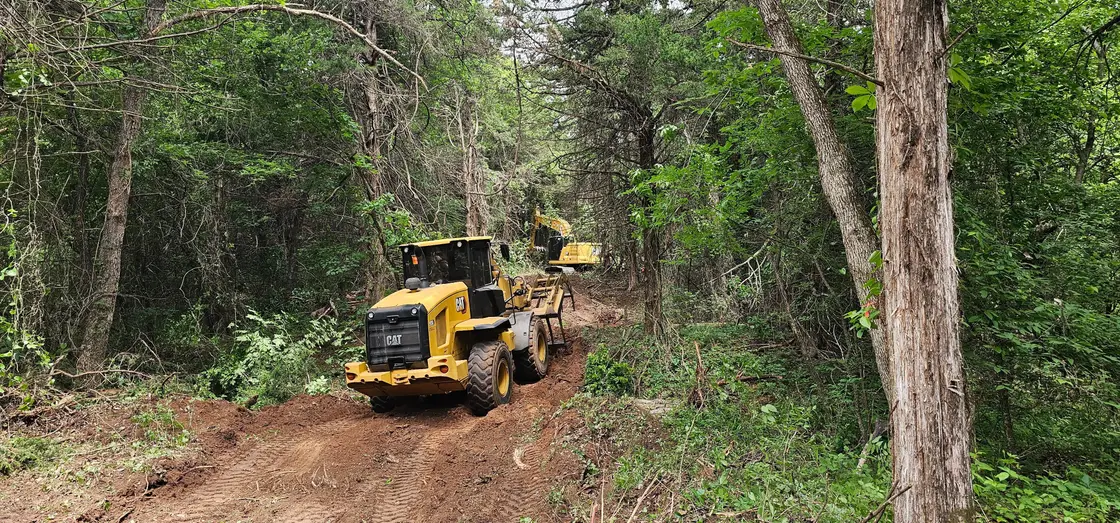
The best way to clear Oklahoma hunting land is to plan it now and do it after the season. Deer archery season runs October 1, 2026 through January 15, 2027, and heavy equipment in the timber during that stretch is noise, scent and torn-up ground right where you want deer moving normally. Late winter, once the season closes, is also when the ground is firmer and the brush is bare, so the work goes cleaner.
The other half of the answer is how much to clear: less than most people think. Hunting ground is valuable because of its cover. The job is to open a few specific places, a food plot, a shooting lane, a quiet way to your stand, and leave the rest alone.
Plan around the season, not in the middle of it
The Oklahoma Department of Wildlife Conservation’s 2026-27 deer seasons:
| Season | Dates |
|---|---|
| Archery | October 1, 2026 to January 15, 2027 |
| Youth gun | October 16 to 18 |
| Muzzleloader | October 24 to November 1 |
| Gun | November 21 to December 6 |
| Holiday antlerless | December 18 to 31 |
Confirm current dates and bag limits on the ODWC seasons page before you hunt. For clearing, the takeaway is simple: the window from mid-January to spring green-up is when you can work the ground without costing yourself a season. We covered why that stretch is also the best time for clearing in general in the best time of year to clear land in Oklahoma.
Laying out a food plot before anything gets cleared
Most food plot mistakes are made before the first tree comes down, in where the plot goes and how big it is. OSU Extension’s fact sheet A Practical Guide to Food Plots in the Southern Great Plains is the best Oklahoma-specific reference, and its layout advice comes down to four points.
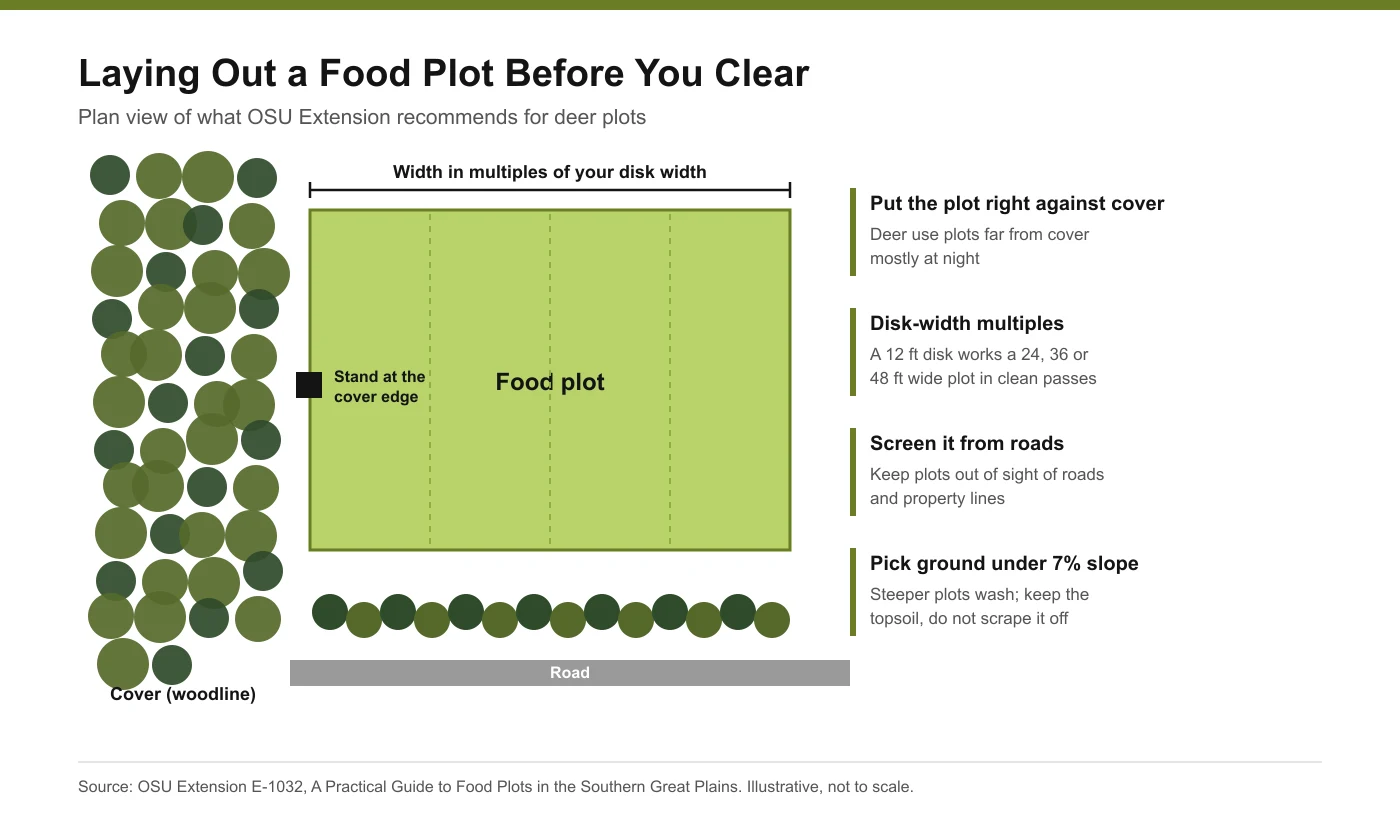
- Put it right against cover. Deer will use plots a quarter mile or more from cover, but mostly at night. A plot you want to hunt belongs tight to a woodline.
- Size the width to your disk. Make the plot a multiple of your disk width. A 12 foot disk works a 24, 36 or 48 foot plot in clean passes, with no awkward half strip at the end. Plots for archery can be smaller than plots for gun hunting.
- Keep it out of sight. Screen plots from roads and property lines. A plot visible from the road is an invitation to poachers.
- Stay under a 7 percent slope, and keep the topsoil. Steeper plots wash. Clearing that scrapes off the topsoil leaves you trying to grow a crop on subsoil.
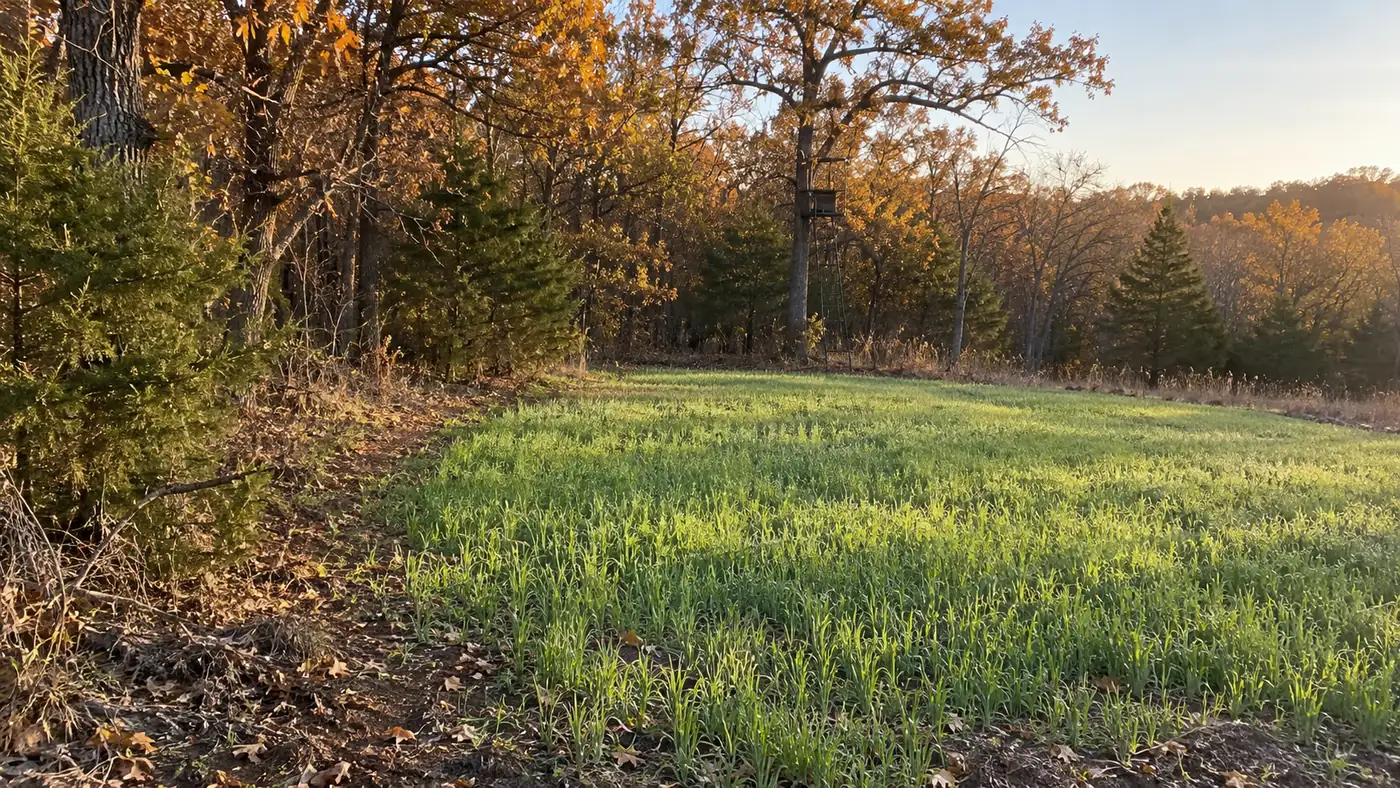
The topsoil point matters for how the clearing is done. A dozer pushing brush off a plot site can take the best soil with it. Forestry mulching takes the brush and small trees down where they stand without stripping the surface, which suits plot ground and the edges you want to keep tidy.
What food plots will and will not do
This is the part that surprises people. OSU’s guide says research shows food plots generally do not improve the quality of the deer harvested. Bigger bucks come from age, genetics and the habitat across the whole property, not from a few acres of oats.
What plots do well is put deer where you can see them, which the guide calls harvest efficiency, and fill nutrition gaps in late summer and late winter when native forage is thin. The same guide lists cool-season plantings like oats, wheat, rye, turnips and clover for September and October planting, and recommends a soil test through your county Extension office. It is inexpensive, and it is cheap insurance before you spend money on seed and fertilizer.
So size your expectations along with your plot. A small, well-placed plot next to cover usually does more for your hunting than a big field in the open.
Lanes and stand access: clear less than you think
A shooting lane only needs to be as wide as your shot. Every extra foot is cover you took away from the deer you are trying to see. The same goes for the trail to your stand: the goal is a quiet way in and out that keeps you off the trails deer use, not a road.
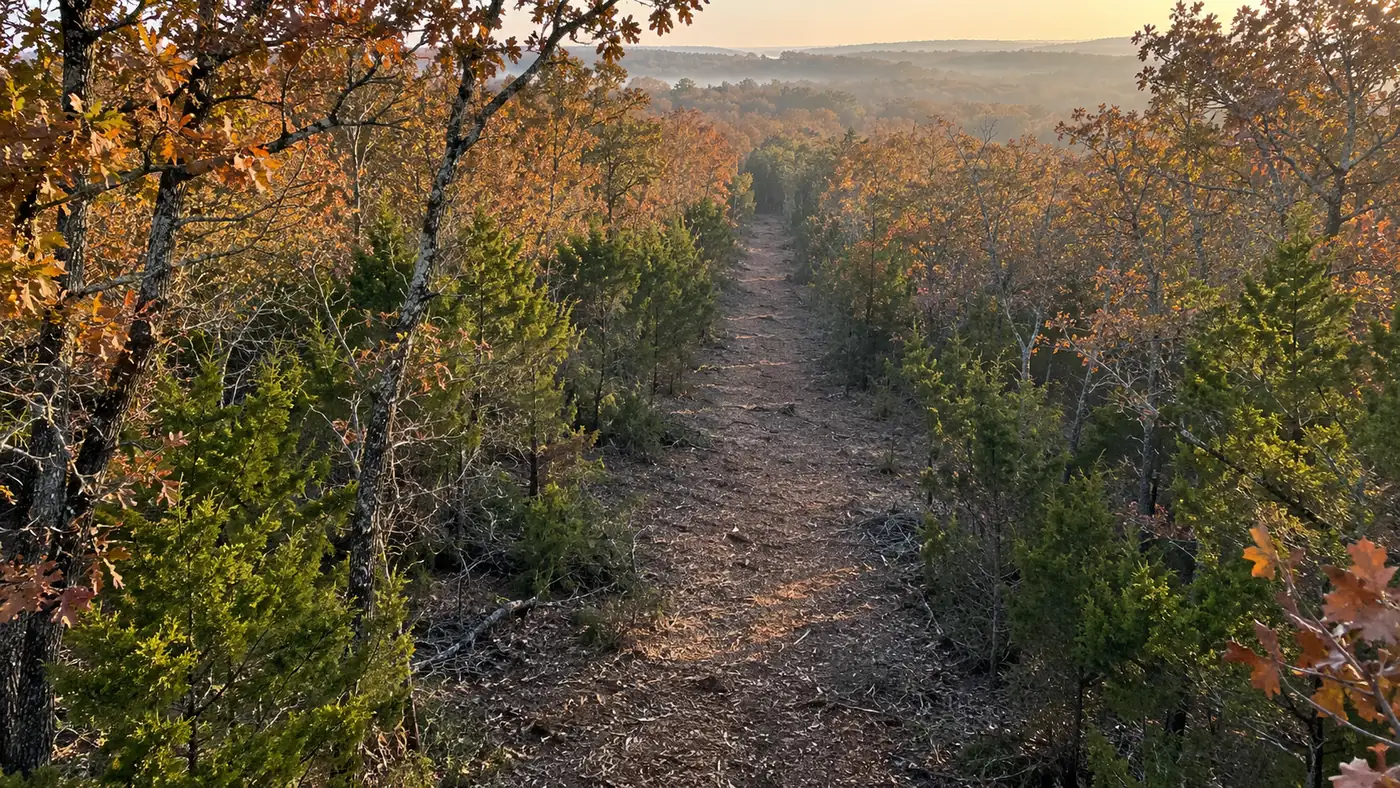
Two practical details:
- Stumps. On a lane or stand trail you only walk, low-cut stumps are fine. Anywhere you will disk or drive, like a plot or the route a tractor takes to reach it, a hidden stump will find your equipment. We explained when a stump needs grinding versus pulling in stump grinding vs. root grubbing.
- Cedar. Redcedar thickets make good bedding cover, but cedar spreads into open ground on its own and closes up plots and lanes over the years. Keeping a few thickets and taking out the cedar that is creeping into your openings is usually the right balance. Our selective clearing guide covers how to decide what stays.
Free help most landowners never use
Oklahoma is more than 95 percent privately owned, and the Department of Wildlife Conservation has Private Lands biologists who evaluate properties, write wildlife management plans, and help landowners find cost-share. If you are planning more than a plot or two, that plan is worth having before anyone starts clearing. Details are on the ODWC landowner programs page. If your property also has a cedar problem beyond the hunting setup, read our guide to cost-share for cedar removal in Oklahoma.
Clearing hunting ground across the OKC metro
We do brush clearing and forestry mulching on acreage across the Oklahoma City metro and about 150 miles around it, which is the same work that opens up plot ground, lanes and access trails. We clear the ground; the planting is up to you or your seed supplier.
Walk the property with a plan in hand, and we will clear to it after the season. Estimates are free and done on site. Call (405) 465-2809 or request an estimate.